
Copper Peptides for Hair Growth Slovenia: A Research Perspective Copper peptides for hair growth have gained attention in scientific research
Recovery is essential for overall health, especially for athletes or anyone healing from injury or intense physical stress. In recent years, researchers have taken a closer look at certain peptides because of their potential involvement in tissue repair, inflammation control, and growth regulation.
Peptides are short chains of amino acids that act as signaling molecules in the body. Compounds such as Thymosin Alpha 1, GHRP 6, BPC 157, TB500 and IGF 1 LR3 appear in scientific literature due to their influence on immune activity, growth factor signaling and cellular repair pathways.
Understanding how these peptides may support recovery requires a careful look at the underlying biology, as this field continues to develop and expand.

Peptides are important for recovery because they act as signaling molecules that help regulate how the body heals, repairs tissue and responds to physical stress. Rather than functioning like traditional nutrients, peptides participate in cell communication pathways that influence inflammation balance, immune activity and growth related signaling.
During recovery, the body depends on coordinated biological responses to rebuild damaged muscle, restore connective tissue and regulate inflammation. Research suggests that certain peptides may support these processes by influencing cellular repair mechanisms, tissue regeneration pathways and signaling systems involved in recovery. This is why peptides continue to be studied for their potential role in supporting efficient recovery after injury or intense physical activity.
Explore Peptide Supplies at Direct Peptides Slovenia for all your reconstitution requirements.
When it comes to recovery, several peptides are often mentioned because of how they may support healing, help control inflammation, and assist with muscle repair. These peptides are commonly studied in research, and each works a bit differently in the body.
Looking at what they do helps explain why they show up so often in discussions about recovery. Below, we take a closer look at how each peptide may play a role in the recovery process.
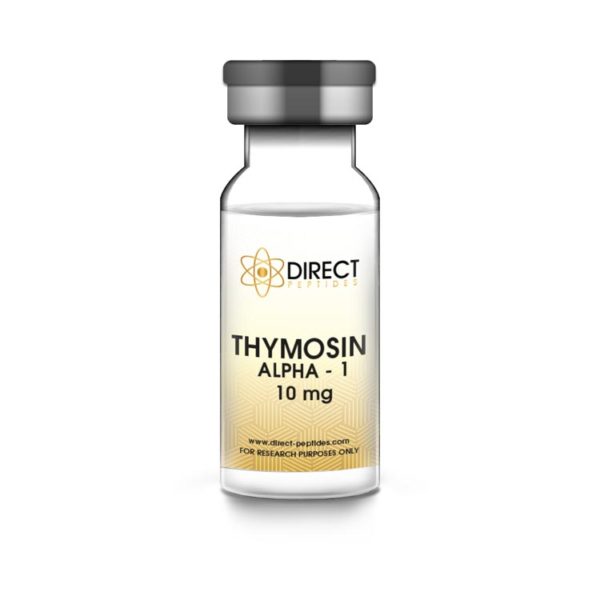
Because of its immune focused effects, Thymosin Alpha 1 is often discussed in recovery research as a supportive peptide. While it does not directly rebuild muscle, it may help create better conditions for healing by assisting immune regulation and inflammatory control.
Discover Thymosin Alpha-1 from Direct Peptides Slovenia, a peptide known for enhancing immune function and accelerating recovery from illness and injury.
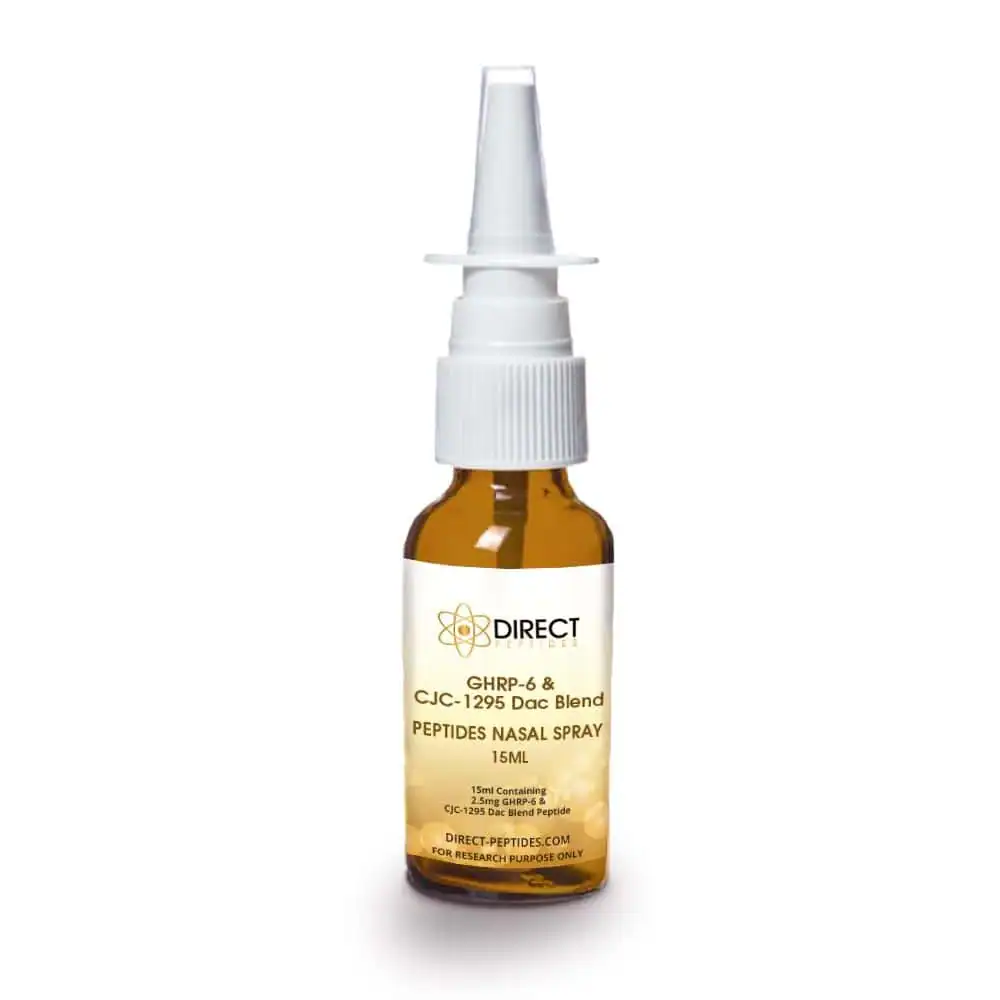 GHRP-6 is primarily studied for its ability to stimulate the body’s natural release of growth hormone through the pituitary gland. Growth hormone influences a wide range of processes, including metabolism, tissue maintenance and how the body responds to physical stress.
Its connection to recovery comes from this hormonal signaling rather than any direct action on muscle tissue. By increasing growth hormone levels, GHRP-6 may help support the body’s normal adaptation and repair mechanisms following exercise or physical strain.
GHRP-6 works indirectly. It affects endocrine pathways that influence recovery over time, rather than acting directly on muscles or connective tissue.
Most research has focused on changes in hormone levels and further study is still needed to clarify how those shifts translate into measurable improvements in physical recovery.
Explore GHRP-6 from Direct Peptides Slovenia, a peptide that stimulates growth hormone release, promoting muscle repair and faster recovery after intense workouts.
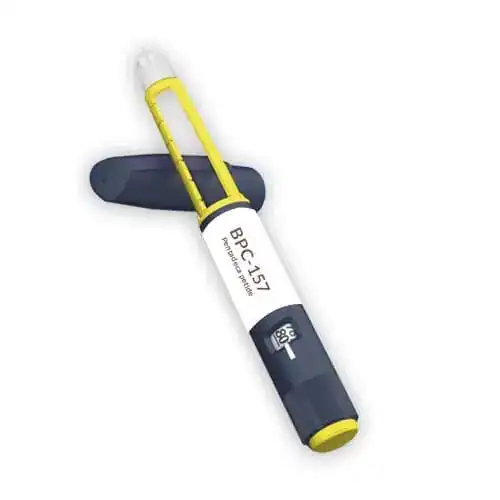 BPC 157, also known as Body Protection Compound 157, is a peptide studied for its role in soft tissue healing. Research suggests it may support the repair of muscles, tendons, and ligaments by influencing blood vessel growth, collagen organization, and cellular signaling involved in tissue repair.
Laboratory studies show BPC 157 may support natural healing responses by affecting inflammation balance and connective tissue recovery, which has made it a topic of interest in recovery research.
Rather than acting as a direct pain reliever, BPC 157 works through biological mechanisms that support tissue remodeling. Most evidence comes from animal studies, with ongoing research exploring its potential role in clinical recovery.
Check out BPC-157 from Direct Peptides Slovenia, a powerful peptide that helps heal soft tissues, reduce inflammation, and accelerate recovery from injuries.
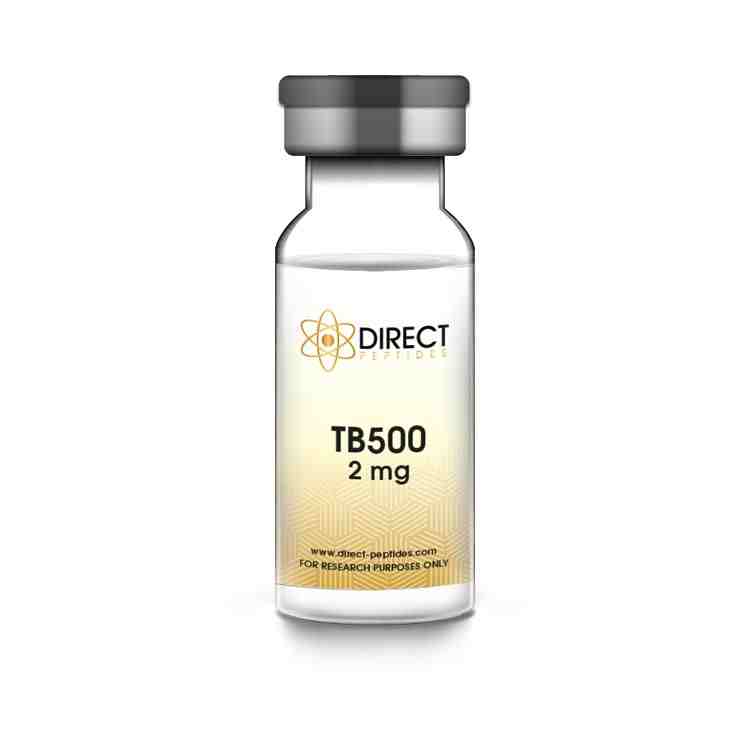 TB500, derived from Thymosin Beta-4, is another peptide that supports tissue regeneration and mobility. This peptide has been studied for its ability to repair damaged tissues, improve flexibility, and promote overall healing.
TB500 helps stimulate cell migration and promotes collagen production, both of which are crucial for tissue repair and recovery.
In recovery research, TB500 has been shown to accelerate recovery by improving mobility and reducing downtime due to injuries. Its ability to enhance tissue regeneration makes it an essential peptide in recovery-focused studies, particularly for individuals recovering from tendon, ligament, or joint injuries.
Explore TB500 from Direct Peptides Slovenia, a peptide known for enhancing tissue regeneration and improving mobility, making it ideal for recovery after injuries.
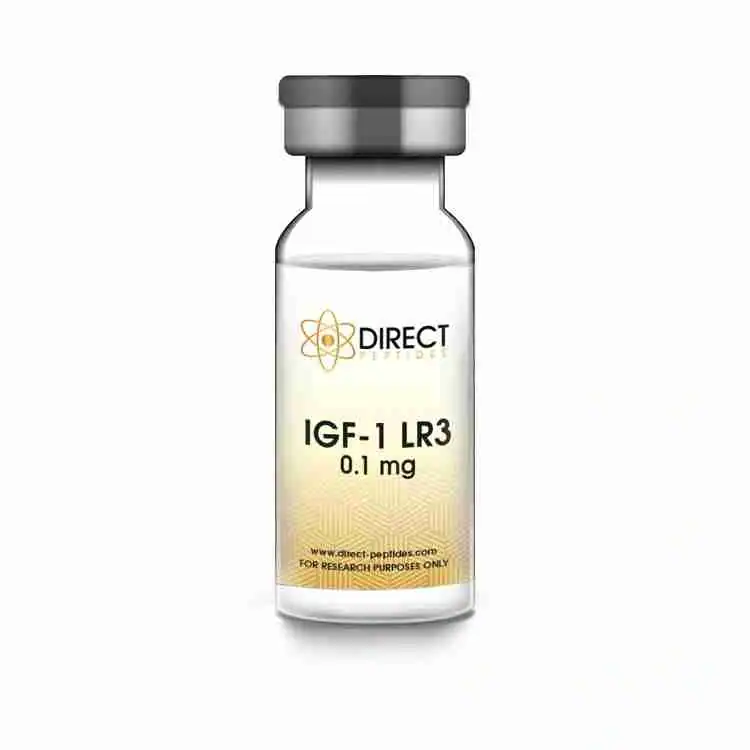
IGF-1 LR3 (Insulin-like Growth Factor 1 Long R3) is a peptide that works alongside growth hormone to promote muscle growth and repair. It plays a key role in cell regeneration, helping to accelerate recovery after intense exercise or injury.
As one of the most researched peptide for recovery, IGF-1 LR3 is known for its ability to stimulate muscle regeneration and enhance the body’s ability to recover faster.
In recovery research, IGF-1 LR3 has shown promise in improving muscle recovery by enhancing nutrient delivery to muscles, boosting protein synthesis, and accelerating muscle regeneration. This makes it an excellent peptide for anyone seeking to optimize muscle recovery.
Explore IGF-1 LR3 from Direct Peptides Slovenia, a peptide that enhances muscle growth and repair by stimulating cell regeneration and speeding up recovery.
Peptides are also playing a crucial role in injury rehabilitation. Peptides for recovery like BPC-157 and TB500 have been shown to help repair soft tissues, accelerate healing, and reduce inflammation in the aftermath of an injury. Whether recovering from a muscle strain, tendon tear, or ligament injury, these peptides can speed up recovery times and reduce the discomfort associated with healing.
By supporting tissue repair, improving blood flow, and reducing swelling, peptides help the body heal faster. This can drastically reduce the time needed to return to physical activities, making peptides for recovery a potential game changer in injury rehabilitation.
After hard training or demanding physical activity, the body needs time to repair stressed muscles and damaged tissue. Certain peptides, such as GHRP 6, BPC 157, and IGF 1 LR3, are studied for their potential role in supporting this recovery process by influencing growth signals, cellular repair, and inflammation balance.
Some of these peptides affect growth hormone activity and protein building pathways, which are involved in muscle repair and adaptation. Because of this, they are often discussed in recovery focused research. For athletes aiming to shorten rest periods between workouts, peptides are being explored as tools that may help support faster muscle rebuilding and overall recovery.
The future of peptides for recovery looks promising. As more research is conducted, scientists are likely to discover even more peptides with unique properties that can accelerate recovery and healing. Currently, peptides like Thymosin Alpha-1, GHRP-6, BPC-157, TB500, and IGF-1 LR3 are showing great potential in improving recovery processes.
In the coming years, these peptides may become key components in recovery strategies, helping athletes and individuals recover faster and more effectively. As research continues, the role of peptides for recovery could expand, offering new solutions for both sports recovery and medical rehabilitation.
Peptides are becoming an important area of interest in recovery research because of how they interact with the body’s healing systems. Some peptides are studied for immune support, while others are explored for their role in muscle repair and tissue regeneration. Together, these effects point toward new ways of supporting recovery after injury or intense physical activity.
Although most peptides are still used mainly in research settings, interest continues to grow in both athletic and medical fields. As studies expand, peptides may offer new approaches to improving recovery by working alongside the body’s natural repair processes. With continued scientific progress, they could play a meaningful role in future strategies for healing and rehabilitation.
[1] Rossino G, Marchese E, Galli G, Verde F, Finizio M, Serra M, Linciano P, Collina S. Peptides as Therapeutic Agents: Challenges and Opportunities in the Green Transition Era. Molecules. 2023 Oct 19;28(20):7165.
[2] Dominari A, Hathaway Iii D, Pandav K, Matos W, Biswas S, Reddy G, Thevuthasan S, Khan MA, Mathew A, Makkar SS, Zaidi M, Fahem MMM, Beas R, Castaneda V, Paul T, Halpern J, Baralt D. Thymosin alpha 1: A comprehensive review of the literature. World J Virol. 2020 Dec 15;9(5):67-78.
[3] Lei T, Buchfelder M, Fahlbusch R, Adams EF. Growth hormone releasing peptide (GHRP-6) stimulates phosphatidylinositol (PI) turnover in human pituitary somatotroph cells. J Mol Endocrinol. 1995 Feb;14(1):135-8.
[4] Goldstein AL, Hannappel E, Sosne G, Kleinman HK. Thymosin β4: a multi-functional regenerative peptide. Basic properties and clinical applications. Expert Opin Biol Ther. 2012 Jan;12(1):37-51.
[5] Bailes J, Soloviev M. Insulin-Like Growth Factor-1 (IGF-1) and Its Monitoring in Medical Diagnostic and in Sports. Biomolecules. 2021 Feb 4;11(2):217.
Shop ALL Peptide Vials from Direct Peptides Slovenia today, your trusted supplier of premium clinical grade peptides online.
IGF-1 LR3 Pre-Mixed Pen 1mg
Price range: £81.99 through £221.36 Select options This product has multiple variants. The options may be chosen on the product page
GHRP-6
Price range: £12.54 through £28.82 Select options This product has multiple variants. The options may be chosen on the product page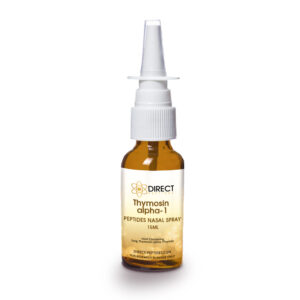
New Reduced Price
New Reduced Price
New Reduced Price
Thymosin Alpha-1 Nasal Spray
Price range: £64.25 through £123.50 Select options This product has multiple variants. The options may be chosen on the product page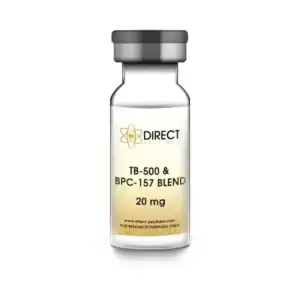
TWIN PACKS
TB500 BPC157 Blend
Price range: £77.00 through £138.60 Select options This product has multiple variants. The options may be chosen on the product pageCopper Peptides for Hair Growth Slovenia: A Research Perspective Copper peptides for hair growth have gained attention in scientific research
How PNC-27 Slovenia May Serve as a Preventative Treatment? PNC-27 has gained attention in scientific research for its potential role

Melanotan 1 vs Melanotan 2: What’s the Real Difference? For researchers studying pigmentation and hormonal pathways, understanding Melanotan 1 vs
Is there a Difference Between AHK-Cu vs GHK-Cu Slovenia? Peptides are essential in modern research, particularly regarding their potential in